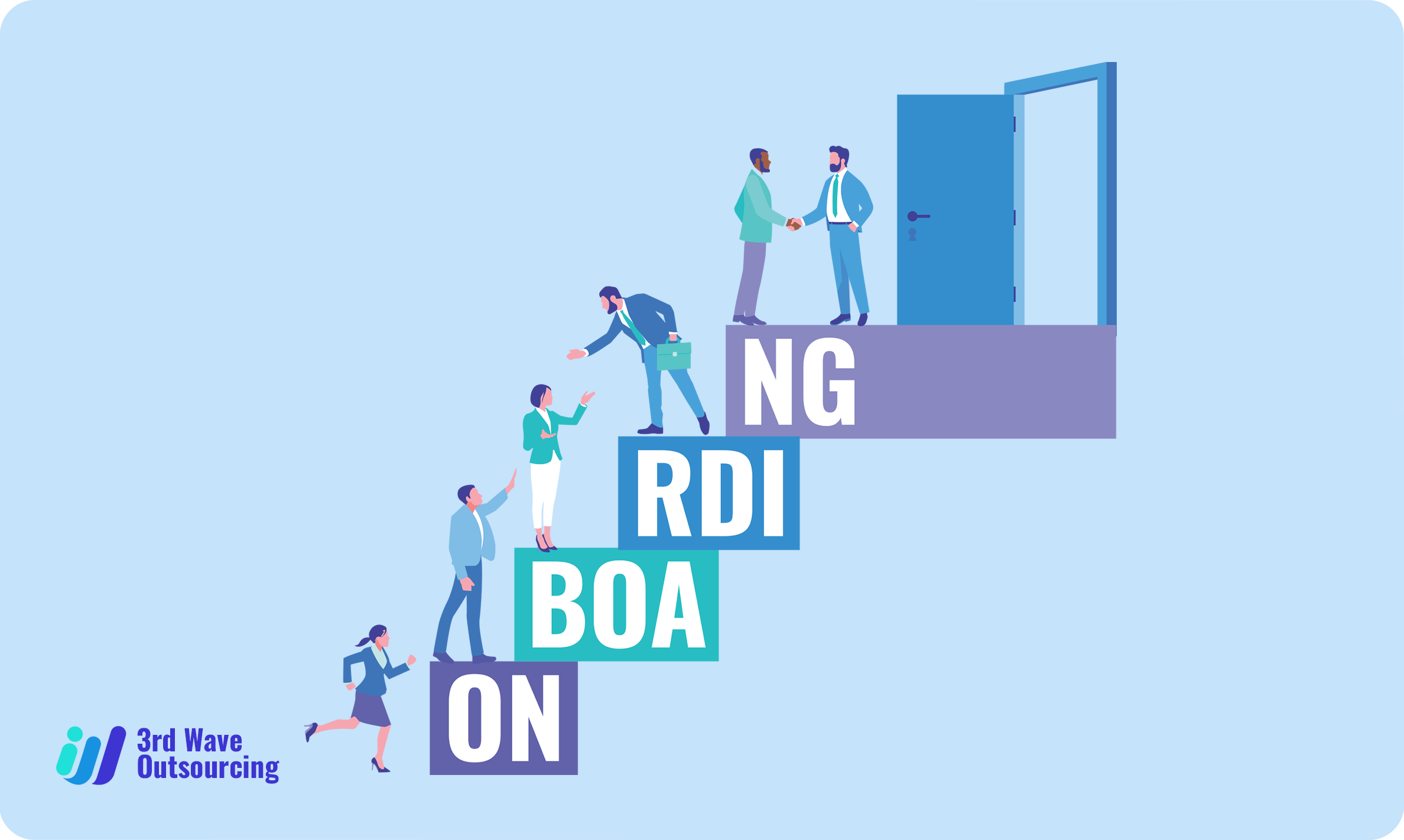
International hiring used to be a cost play. Today it is a speed and talent play. BPO companies especially feel this shift. Clients expect fast ramp-up, flexible coverage, and teams that can deliver without missing a beat. That kind of performance only happens when onboarding is solid.
If hiring gets people in the door, onboarding turns them into high performers. When done well, it raises retention, builds trust, and gives leaders confidence to scale across borders without fear of legal or operational fallout.
- Why Global Onboarding Matters More Than Ever
The old model of packing teams into big offices is fading. Cloud tools, secure communication platforms, and remote-friendly processes have made it possible for BPOs to spread operations across several countries at once. This gives companies access to far better talent, but it also creates a new challenge.
Hiring someone abroad is easy. Supporting them without exposing your business to compliance risk is not. Strong onboarding is the safety net. It protects the company, stabilizes new hires, and cuts the long-term costs created by rework, turnover, and regulatory mistakes.
A structured program does more than check boxes. It speeds up learning and accelerates productivity. Companies that invest in a clear onboarding system often see new hires reach full performance faster, stay longer, and feel more connected to their teams.
- Navigating the Global Compliance Maze
Hiring across borders means stepping into a patchwork of rules. No two countries treat employment, payroll, benefits, or terminations the same way. You cannot take a contract from one market and use it in another. You cannot copy working hours or leave rules across borders. And you absolutely cannot assume contractor rules are universal.
The most common risks include misclassifying workers, ignoring mandatory benefits, mishandling payroll taxes, and depending on verbal agreements. These mistakes are expensive and can follow a company for years.
EOR vs. AOR: Picking the Right Model
Many global teams rely on two types of partners:
Employer of Record (EOR)
The EOR becomes the legal employer in that country. They handle payroll, taxes, benefits, and employment compliance. This is ideal for hiring full-time employees without setting up a local entity.
Agent of Record (AOR)
The AOR manages contractors. They focus on proper classification, compliant contracts, and accurate payments. They do not take on employer liability but ensure contractor engagements follow the law.
Most growing BPOs need both because they manage both employees and contractors. Treating these two groups the same is how misclassification happens, and that is one mistake no scaling company can afford.
- A Practical Onboarding Framework for International Talent
A strong onboarding plan guides people from their first login to full productivity. A 30-60-90 day roadmap is a simple and reliable way to create structure.
Phase Zero: The Setup Week
The week before Day 1 is more important than most leaders realize. This is when access, equipment, identity verification, and contract finalization all happen. You want your new hire ready to work on Day 1, not waiting for logins or digging through emails for documents. Early setup keeps momentum high and frustration low.
Days 1 to 30: Learn and Align
The first month is about learning. New hires meet the team, pick up company values, understand the systems, and settle into communication habits. A buddy or peer guide helps a lot here. Most employees will only reach around 10 to 40 percent productivity in this period, which is normal. What matters is clarity, consistency, and access to support.
Days 31 to 60: Contribute and Collaborate
By the second month, new hires should shift from training to application. Managers play a critical role here. Frequent, short check-ins help new employees adjust, fix misunderstandings quickly, and build confidence. Productivity usually moves toward the middle range as new hires begin taking ownership of real tasks.
Days 61 to 90: Own and Grow
The third month is when things come together. New hires understand expectations and start working independently. A formal review at the 90-day mark is essential. It covers performance, future goals, and long-term growth. This conversation shows the company is invested in their future, which increases loyalty.
Days 91 to 180: The Hypercare Extension
Remote workers face the highest turnover risk around the four-month point. Extending structured support to the 180-day mark reduces that risk. A check-in at Day 120 often uncovers issues before they turn into resignation emails. This extra attention pays off in stability and engagement.
- Building Cultural Fluency and Strong Team Connections
Global teams bring different habits, communication styles, and work expectations. These differences are valuable, but they can slow trust and collaboration if left unmanaged.
Cultural training helps teams understand how colleagues make decisions, resolve conflict, and communicate concern or disagreement. Leaders need to learn this too, because their management style may not land the same way across cultures.
The Async-First Mindset
With teams in different time zones, relying on real-time meetings becomes inefficient. An async-first approach lets people contribute without waiting for a meeting slot that fits three continents. Clear documentation, predictable response norms, and open visibility into decisions help everyone stay aligned.
Buddy and Mentorship Programs
A strong buddy system shortens the time it takes for new hires to feel comfortable. In remote environments, loneliness builds fast. A buddy who checks in, answers informal questions, and encourages connection can make the difference between a struggling hire and a thriving one.
- Secure IT and the Tech Stack Behind Remote Onboarding
Security is non-negotiable in the BPO world. Remote hires need strict access controls from Day 1. That usually includes multi-factor authentication, encrypted communication, and monitored devices. Identity verification must be airtight to protect clients and prevent fraud.
Cybersecurity training is not a one-time session. It needs to be ongoing. Everyone in the company should know how to handle sensitive data, avoid phishing attempts, and use secure channels.
Modern EOR platforms and global HR systems help automate much of this work. They manage payroll, compliance, onboarding workflows, and documentation in one place. This reduces manual effort and lowers risk.
- Final Thoughts: The Advantage of Getting Onboarding Right
International hiring is no longer an experiment. It is the new standard. The companies that win in this landscape treat onboarding as a strategic function, not busywork.
When compliance is tight, operations are structured, and cultural integration is intentional, global teams move fast and stay stable. That stability becomes a real competitive advantage in the BPO space, where clients expect quality from day one.
Ready to dive deeper into how Third Wave Outsourcing can future proof your business strategy? Download our comprehensive ebook To explore the nuances of finding the best talent, building powerful partnerships, and leveraging this global shift for sustained success. The future of outsourcing is here. Are you prepared to embrace it?