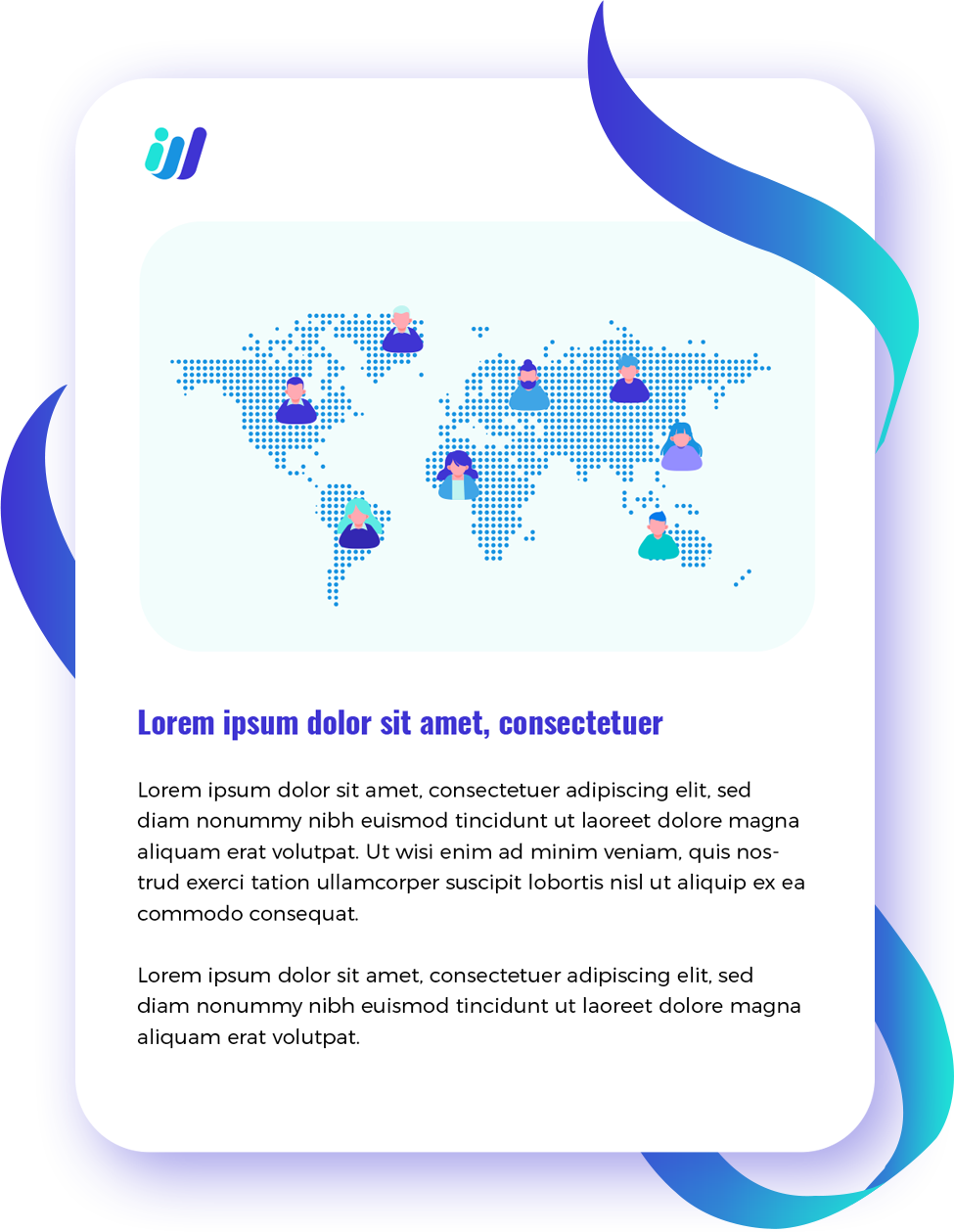

There’s a shift happening. And most CEOs feel it before they can name it. For years, outsourcing had a reputation for cheap labor and cost-cutting—useful, yes, but rarely strategic. Then something changed. Today, the most competitive companies are leveraging the Third Wave of Outsourcing not just to save money, but to move faster, think better, and access talent they simply can’t find locally.
For years, outsourcing had a reputation.
Cheap labor. Offshore teams. Cost-cutting.
Useful, yes—but rarely strategic.
Then something changed.
Today, the most competitive companies aren’t outsourcing to save money. They’re doing it to move faster, think better, and access talent they simply can’t find locally.
That shift is what many now call the Third Wave of Outsourcing.
And if you’re leading a company right now, whether you’ve labeled it or not… you’re already being pulled into it.
What Is the Third Wave of Outsourcing (Really)?
Let’s strip away the jargon.
- First wave: “How do we reduce costs?”
- Second wave: “How do we scale operations efficiently?”
- Third wave: “How do we build a smarter, more capable company?”
That’s the difference. This new wave isn’t about delegating tasks; it’s about building capability outside your walls—and treating it like it’s inside. In 2026, strategic outsourcing is no longer a back-office function; it is a core driver of business process redesign and AI integration.
You’re not hiring “support.”
You’re plugging into global expertise on demand.
A founder I spoke to recently put it bluntly:
“My best engineer lives in another continent. My growth lead too. At this point, geography feels… irrelevant.”
That’s the Third Wave in one sentence.
Why CEOs Are Leaning Into It
Not because it’s trendy.
Because it solves real problems.
- Talent is the real bottleneck now
Capital and tools are ubiquitous; top-tier talent is not. According to recent global talent trends, companies are shifting away from technology differentiation toward cultivating the “human edge.” The Third Wave allows you to stop choosing from who is available and start choosing from who is best.
Talent.
And local hiring alone can’t keep up.
The Third Wave opens that constraint. Suddenly, you’re not choosing from who’s available—you’re choosing from who’s best.
- Speed becomes a competitive weapon
Traditional hiring is slow. Painfully slow.
Outsourcing—done right—lets you:
- Build teams in weeks, not months
- Launch initiatives faster
- Test ideas without long-term overhead
Speed compounds. And companies that move faster usually win.
- You stop overloading your core team
Most internal teams are stretched thin.
Outsourcing gives them breathing room—so they can focus on:
- Strategy
- High-value decisions
- Growth
Not operational drag.
- Cost still matters… just differently
Yes, there are savings.
But that’s not the headline anymore.
The real value is:
- Paying for outcomes, not idle time
- Avoiding bad hires
- Scaling without long-term risk
It’s not about being cheap.
It’s about being efficient in the right places.
The Part Most People Get Wrong
Let’s be honest.
A lot of outsourcing still fails.
Not because the model is broken—but because the approach is outdated.
Here’s what doesn’t work anymore:
- Treating outsourced teams like outsiders
- Hiring purely based on cost
- Micromanaging every task
- Expecting results without integration
That’s First Wave thinking… in a Third Wave world.
And it was expensive.