
This isn’t just another post about saving on overhead. If you’re still looking for a vendor to handle a department for you, you’re essentially operating on a 2015 playbook in a 2026 world.
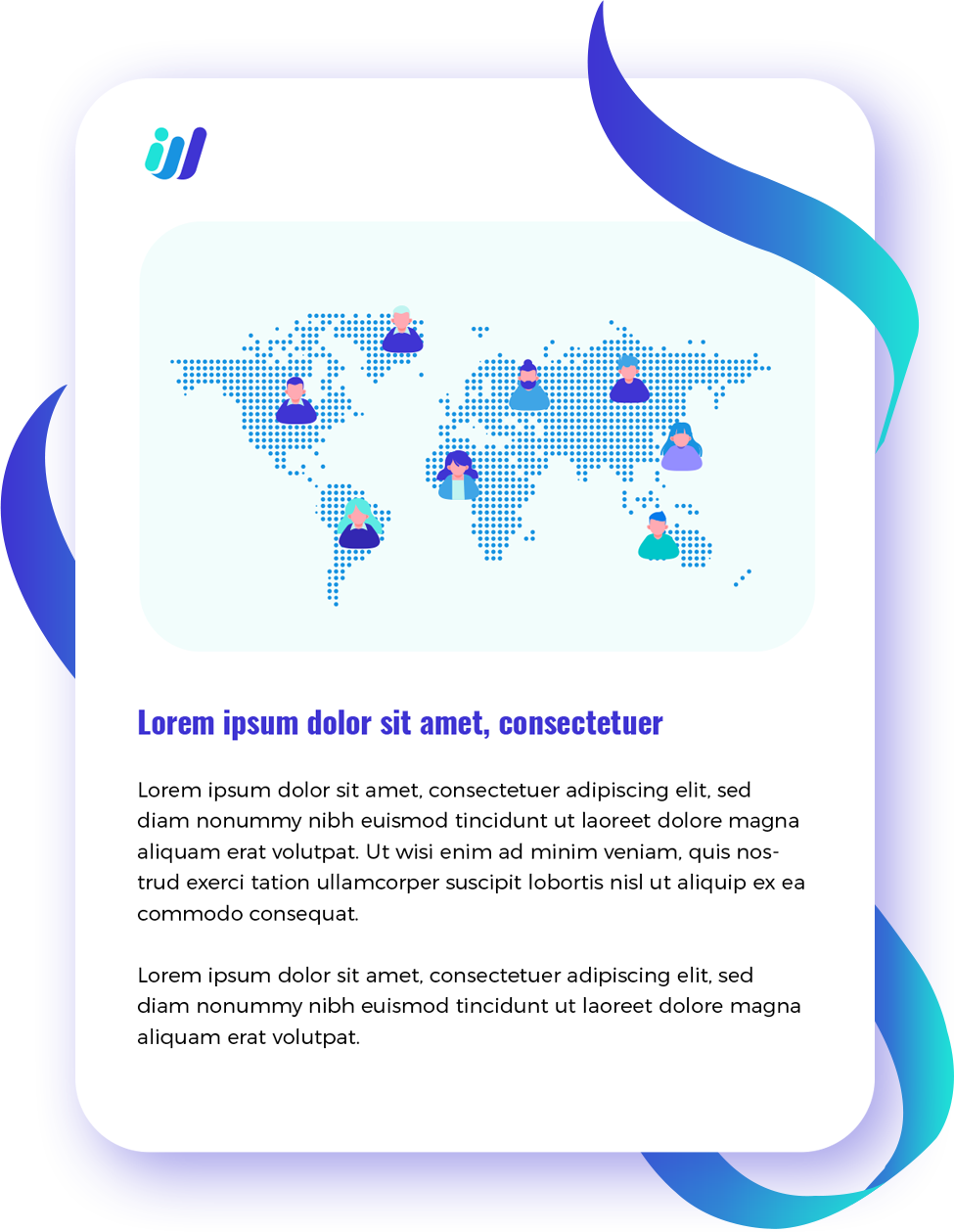
At thirdwaveoutsourcing.com, we’ve spent a lot of time looking at why the old-school Business Process Outsourcing (BPO) model is cracking. The truth? The traditional vendor relationship has become a strategic liability. I stopped looking for vendors years ago, and here is why I pivoted everything toward building a borderless talent extension instead.
The Three Waves: Where Are You Riding?
To understand why the vendor model is dying, we must look at how we got here. I call it Three Waves of Outsourcing.
- The First Wave (Cost): This was pure labor arbitrage. Find me the cheapest person in a different time zone to do this repetitive task. It was transactional and, frankly, a bit cold.
- The Second Wave (Efficiency): We moved into IT support and customer service. We looked for managed services. But it was still a black box—you sent work in, and something came out the other side. You had no idea who was actually doing the work.
- The Third Wave (Talent & Speed): This is where we are in 2026. It’s not about finding the cheapest labor; it’s about finding the best labor. In a flat world, the smartest AI trainer or data scientist might live in Manila, Tallinn, or Buenos Aires. The goal isn’t to save 20% on payroll—it’s to fuel a breakthrough.
Feature | First Wave | Second Wave | Third Wave (2026) |
Primary Driver | Cost Cutting | Process Efficiency | Talent & Innovation |
Role | Isolated Tasks | Managed Services | Integrated Extension |
Relationship | Vendor | Service Provider | Strategic Partner |
Why the Vendor Trap is a Dead End
I’ve seen it happen a hundred times. A company hires a massive BPO vendor because the initial quote looks great. Then, reality hits.
Traditional vendors often suffer from 30–45% attrition. You spend three months training a team, only for half of them to quit because they feel like a cog in a machine. You’re stuck in a loop of re-boarding people who don’t even use your internal Slack or understand your brand’s vibe.
Then there’s the Security/Transparency Gap. When you use a black box vendor, your data is leaving your ecosystem. We’ve seen major breaches (like the LexisNexis issues back in ’24 and ’25) that prove a trusted vendor label isn’t a suit of armor. You need your team—wherever they are—inside your own security protocols, using your tools, and following your culture.
What is a Borderless Talent Extension, Anyway?
It’s a fancy term for a simple concept: Integration. A talent extension doesn’t take work off your plate. They join you at the table. These are individuals who:
- Use your internal communication tools (Slack, Teams, etc.).
- Attend your daily stand-ups.
- Understand the why behind a project, not just the what.
The Mindset Shift
Vendor Mindset | Talent Extension Mindset |
Did I finish the ticket? | How does this help the customer? |
Slow, filtered feedback. | Real-time, direct collaboration. |
Transactional. | Long-term growth focused. |
The 2026 Reality: AI and Human-in-the-Loop
We can’t talk about 2026 without talking about AI. But here’s the secret: AI doesn’t replace the need for global talent; it actually makes high-level talent more critical.
We now rely on the Human-in-the-Loop (HITL) imperative. Whether it’s healthcare data or complex financial modeling, AI models are prone to hallucinations. You need expert humans to validate, audit, and refine those outputs.
In this new landscape, we aren’t just hiring support staff. We’re hiring AI Trainers, Synthetic Data Specialists, and Bias Auditors. You can’t vendor out that kind of nuance. You need people who are deeply embedded in your mission to ensure your AI isn’t steering the ship into an iceberg.
How We Build This Infrastructure
You might be wondering, How do I actually manage the legal headache of people in ten different countries?
The game-changer has been the rise of Employer of Record (EOR) services. Platforms like Remote, Deel, and Papaya Global have made it so you can onboard a world-class expert in 48 hours without needing to open a local office in their country. They handle the taxes and compliance; you handle the talent and the vision.
Making the Switch: A 4-Step Roadmap
If you’re ready to stop outsourcing and start extending, here is how I recommend starting:
- Identify the Drag: Look at your balance sheet. Where are you losing speed because you can’t find local talent or your current vendor is too slow to pivot?
- Choose a Partner, Not a Supplier: Find an infrastructure partner (like an EOR or a specialized staffing firm) that prioritizes retention and transparency over the lowest unit price.
- Immerse the Team: Day one, get your global team into your internal communications. No us vs. them silos.
- Focus on Outcomes: Stop measuring hours worked and start measuring revenue-correlated impact. In 2026, agility is the only metric that matters.
The Bottom Line
The cheapest vendor is almost always the most expensive mistake you’ll make. By building a borderless talent extension, you aren’t just cutting costs—you’re expanding your company’s DNA.
The world is too fast for black boxes. It’s time to bring the world’s best talent inside your tent.
Ready to dive deeper into how Third Wave Outsourcing can future proof your business strategy? Download our comprehensive ebook to explore the nuances of finding the best talent, building powerful partnerships, and leveraging this global shift for sustained success. The future of outsourcing is here. Are you prepared to embrace it?