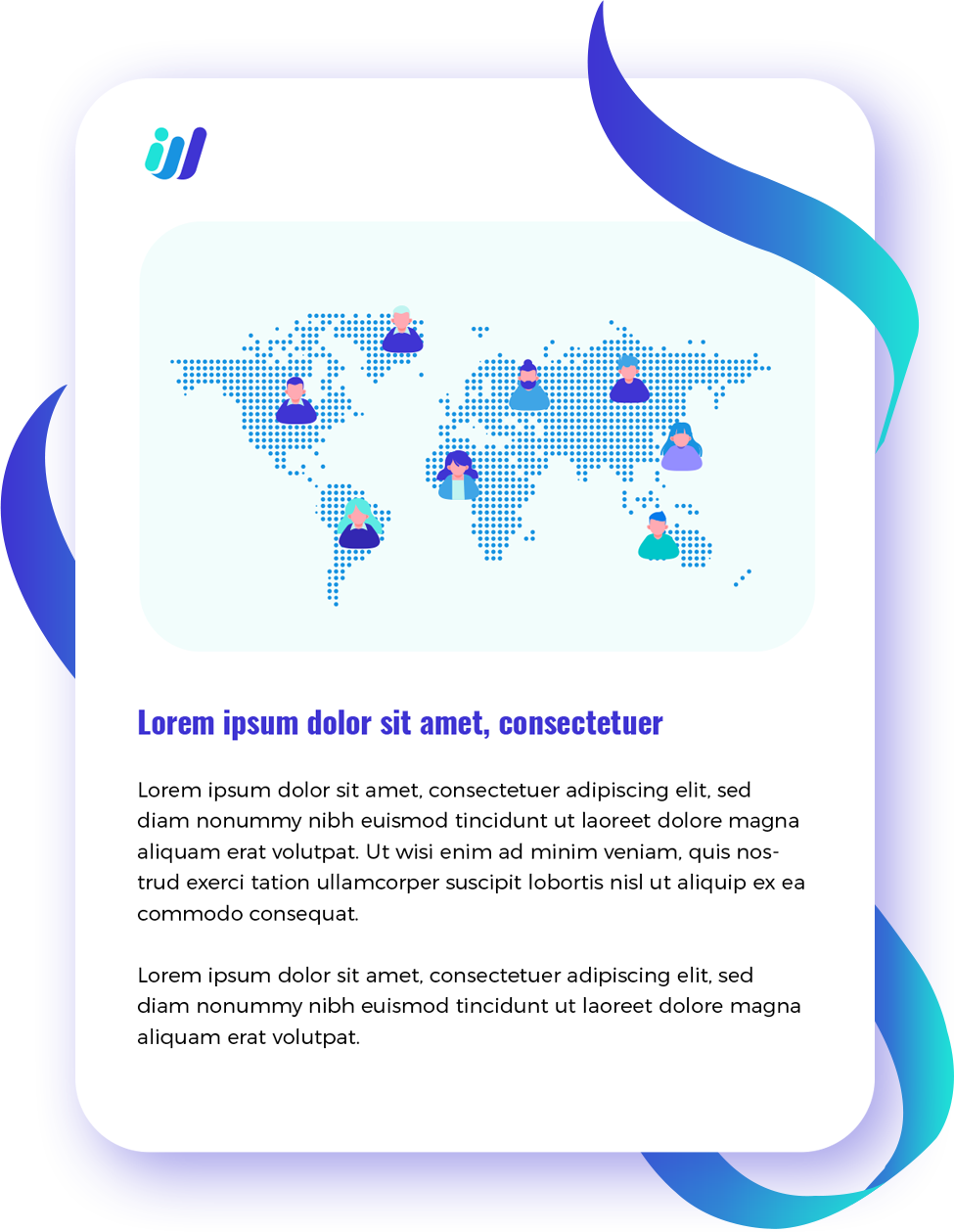

For decades, the math behind outsourcing was simple: find a lower-wage region, shift your repetitive back-office tasks there, and pocket the savings. It was a strategy built entirely on labor arbitrage. But as digital transformation moves faster, domestic tech talent pools dry up, and AI changes how we look at teams, that old playbook is breaking down.
We have entered a brand-new paradigm: the Third Wave of Outsourcing. The goal has completely flipped from cutting costs to maximizing value. Today, success isn’t about how much money you can trim from overhead. It is about how fast you can plug highly specialized global talent into your business to scale, innovate, and beat the competition.
In the past, companies focused on cutting down transaction and management costs. The new framework focuses on expanding operational capacity, specialized expertise, and strategic agility. Bringing in elite global specialists to drive technological transformation builds long-term growth that far outweighs short-term savings on a spreadsheet.
How Sourcing Models Evolved
To understand why the third wave focuses so heavily on specialized expertise, we have to look at how we got here.
Wave One: Transactional Tasks (1960s–1990s)
The earliest form of outsourcing was purely transactional. Because running local support functions was incredibly expensive, companies started offloading basic, low-skill tasks to countries with cheaper labor. This was pure cost-cutting. Teams were completely siloed, processes were incredibly rigid, and communication was slow. It was a basic vendor-client relationship designed to shrink payroll.
Wave Two: Process Optimization (Y2K–2010s)
The rush to prepare for Y2K and the rise of the commercial internet triggered the second wave. Suddenly, companies weren’t just outsourcing manual data entry; they were offloading complex IT operations and business processes. This era created the modern Business Process Outsourcing (BPO) industry.
Even though outside teams became more strategically aligned with the company, saving money was still the main goal. Relationships were governed by rigid Service Level Agreements (SLAs) that tracked metrics like ticket volumes and average handle times. External teams were still treated as vendors, not true parts of the company.
Wave Three: Integrating Borderless Talent (Recent Years)
The third wave grew out of cloud computing, real-time collaboration tools, and a massive shortage of local tech talent. Forward-thinking companies realized that the perfect person for a highly technical role rarely lived within driving distance of head office.
Now, outsourcing is a tool for innovation. Businesses ignore borders to build specialized, distributed teams handling everything from data science and cybersecurity to product engineering. The old lines between in-house, nearshore, and offshore teams have blurred into true partnerships focused on shared business goals.
Accessing Talent Matters More Than Saving Money
Every modern business is fighting for talent. Technology is moving faster than universities and local job markets can keep up with. This is incredibly obvious in hyper-specialized fields like machine learning, cloud architecture, and advanced analytics.
Recent labor studies show that nearly three-quarters of employers struggle to find and hire the skilled people they need to hit basic digital goals. This skills crisis is delaying product launches and hurting competitiveness everywhere. For instance, the cybersecurity sector alone is facing a global deficit of millions of qualified professionals.
A Massive Shift in Priorities
You can see this shift clearly in corporate data. Cost reduction used to be the main reason companies outsourced, but that number has plummeted in recent years. Instead, executives say their top priorities are accessing specialized capabilities and speeding up their time-to-market.
In the past, companies kept their most sensitive, complex functions strictly in-house out of fear. Today, those exact specialized fields are the fastest-growing areas for outsourcing:
- Cybersecurity: Because threats are becoming more sophisticated and internal talent is scarce, the vast majority of enterprises now partner with specialized, external security operations centers.
- Data and Analytics: Most executives now rely on external specialists to design, manage, and make sense of their data ecosystems.
- Artificial Intelligence: Instead of trying to recruit rare, expensive AI specialists on their own, most IT leaders use outside partnerships to kickstart their AI initiatives and see actual returns on investment.
This has changed the entire workforce dynamic. Financial savings are just a baseline byproduct now; talent is the real differentiator. Most firms now include external specialists in their total headcount, treating them as core parts of the corporate strategy. Even contracts are changing, with more companies moving toward outcome-based pricing that rewards performance rather than raw hours logged.
The Tech Backing Wave 3.0
This shift to specialist-driven outsourcing is built on a clear, three-stage technology cycle:
First is the Cloud Shift. Companies move their core infrastructure away from legacy, on-premise hardware to secure, hyperscale environments like AWS or Azure. This protects intellectual property while passing high-capital infrastructure management over to specialized experts.
Second is Cloud-Native Engineering. Instead of building monolithic software, teams build modular microservices housed in secure containers. Specialized developers use automated deployment pipelines to test and launch software updates continuously, taking the friction out of development cycles.
Third is Strategic Co-Creation. This is where true collaboration happens. Instead of handing off tasks to a vendor, enterprises work side-by-side with external specialists to co-create proprietary technology that gives them a permanent competitive edge.
Measuring True ROI
Modern outsourcing partnerships can deliver massive returns on investment compared to trying to build everything internally. To see the real value, CFOs have to look beyond headcounts and track a mix of qualitative and quantitative goals:
- Financial Flexibility: Turning fixed overhead into variable, scalable expenses gives businesses room to breathe. In complex operations like data analytics, bringing in specialists can cut the time it takes to get business insights in half.
- Strategic Speed: Companies bypass months of recruitment and onboarding, using on-demand global talent to launch products weeks or months ahead of schedule.
- Customer Experience: Instead of judging customer service teams by how fast they get off the phone, leading brands judge partners on strategic metrics like Net Promoter Scores and customer retention.
Building a Borderless Talent Extension
To win in the third wave, companies have to rethink how they are structured. Rigid, localized corporate models don’t work in a fast-moving digital economy. They are being replaced by the Borderless Talent Extension—an operational model where global specialists sit directly inside your core functional teams.
Making this work requires focusing on three areas:
- Unified Compliance: Hiring internationally means navigating a maze of local labor laws and tax regulations. Successful companies partner with platforms like thirdwaveoutsourcing.com to handle cross-border compliance, localized payroll, and remote onboarding seamlessly.
- Better Collaborative Environments: Distance shouldn’t matter. Companies need to invest in great cloud setups and real-time project management tools so code, strategy, and ideas flow smoothly across time zones.
- A Culture of Inclusion: Distributed teams fail when people feel isolated. Leadership needs to build a unified culture with clear communication and shared trust. Treating outsourced specialists as true team members—rather than disposable vendors—is the secret to keeping talent engaged.
The advice for leadership is clear: stop looking at outsourcing as a way to cut corners. Find your technical blind spots, move toward outcome-based contracts that incentivize your partners, and treat global talent as a core part of your team.
If you are ready to make the transition, you can download the free, comprehensive sourcing guide at thirdwaveoutsourcing.com to learn how to find the right partners and build a world-class borderless strategy.
Ready to dive deeper into how Third Wave Outsourcing can future proof your business strategy? Download our comprehensive ebook to explore the nuances of finding the best talent, building powerful partnerships, and leveraging this global shift for sustained success. The future of outsourcing is here. Are you prepared to embrace it?