
The contemporary corporate landscape of 2026 is defined by a paradox: we have never had more technological capability, yet we have rarely faced such structural resource scarcity. For the modern CEO, the traditional levers of scale, organic hiring, local market penetration, and incremental process optimization are no longer enough. We are operating in an environment of hyperinflationary pressures, a global specialized talent deficit, and the relentless acceleration of AI.
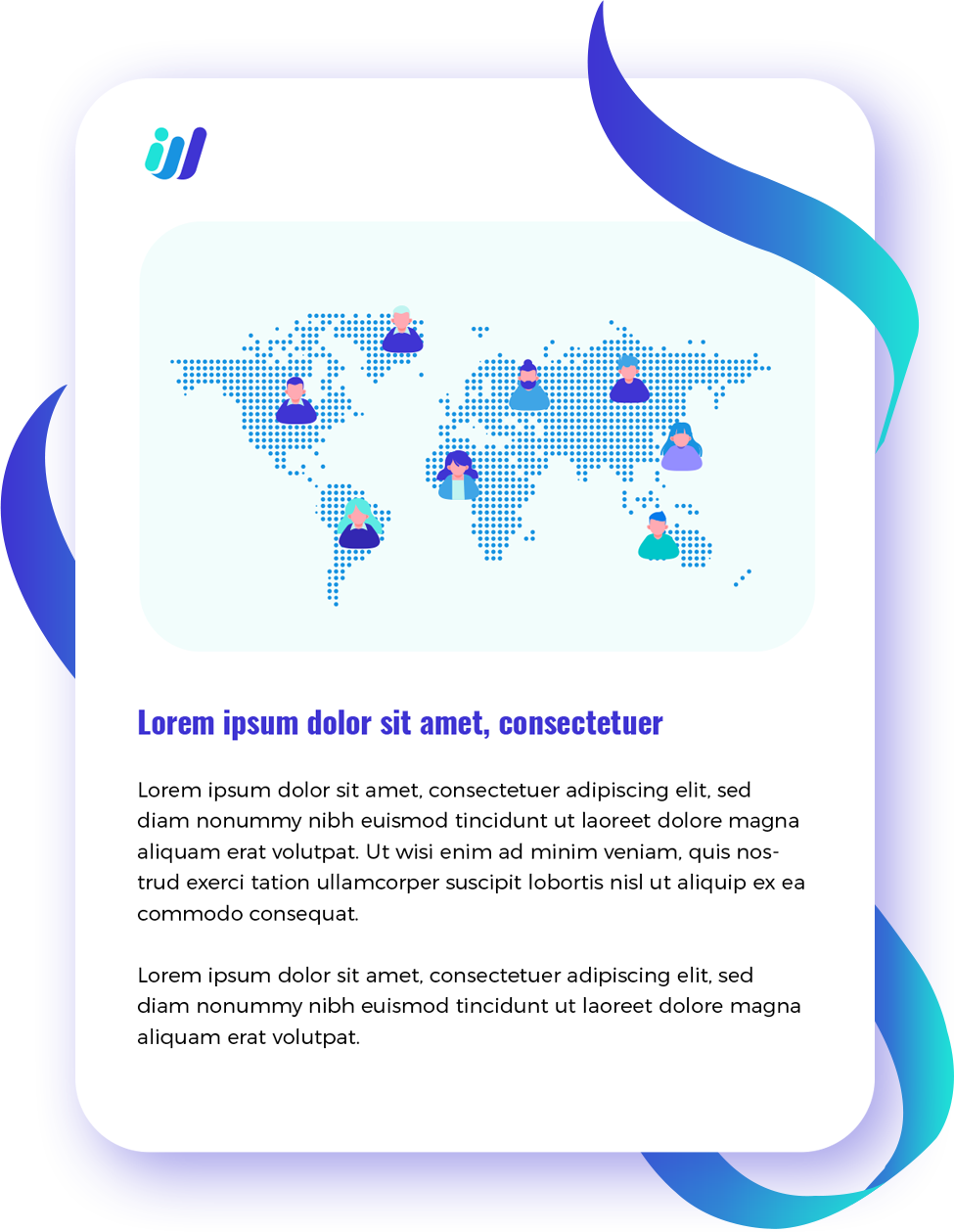
In this volatile climate, the Third Wave of Outsourcing has emerged. It is no longer just a cost-cutting tactic; it is a fundamental rewiring of the enterprise. This paradigm shift represents the ultimate scaling lever, allowing organizations to decouple revenue growth from operational complexity by leveraging a borderless talent extension.
The Evolution: From Transactional to Transformational
Understanding why the Third Wave is so potent requires a look at how we got here. Global sourcing has evolved as a series of responses to systemic crises, with each wave introducing higher levels of strategic value.
The First Wave: Automation and the Y2K Catalyst (Late 1990s)
Triggered by the urgent need to audit legacy code before the year 2000, this era was defined by labor cost arbitrage.
The Second Wave: Digitization and the 2008 Financial Crisis
When the 2008 crash squeezed margins, CEOs sought operational flexibility through the rise of Cloud Computing.
The Third Wave: Disruption and the Structural Reset (2020–2026)
Accelerated by the pandemic and the work from anywhere (WFA) revolution, the Third Wave has blurred the lines between in-house and offshore teams. Today, a developer’s physical location is irrelevant to their strategic impact. The focus has shifted to strategic specialization—outsourcing functions that require deep domain knowledge and operational experience.
Feature | Wave 1: Efficiency | Wave 2: Innovation | Wave 3: Transformation |
Primary Trigger | Y2K Problem (2000) | Financial Crisis (2008) | COVID-19/AI Shift (2020+) |
Core Objective | Labor Arbitrage | Flexibility & Digitization | Strategic Agility |
Tech Enablers | ERP, Mainframes | Cloud, Mobile, Big Data | AI, 5G, Blockchain, IoT |
Business Value | Cost Reduction | Product Innovation | Competitive Disruption |
Model | Transactional Vendor | Managed Services | Borderless Talent Extension |
Navigating the Scaling Gauntlet
As we move through 2026, CEOs face a multifaceted gauntlet that renders the old playbooks obsolete. The Third Wave offers specific mechanisms to bypass these hurdles.
- The Structural Skill Shortage
The talent gap is no longer a localized issue. Evidence suggests that 89% of small businesses report difficulty finding qualified workers in 2026, as they struggle to match the compensation of tech giants. The Third Wave expands the talent pool from a local radius to a global one. CEOs are no longer restricted by geography; they can hire synthetic data specialists or engineers skilled in niche frameworks like RxSwift (reactive programming) from anywhere in the world.
- Macroeconomic Pressures
Inflation continues to squeeze margins. Strategic outsourcing acts as a shock absorber, converting fixed costs into variable ones. By utilizing asset-light models, leaders can maintain operational continuity and pivot quickly, a capability more valuable in 2026 than maintaining the status quo.
- Regulatory and Ethical Volatility
The rapid adoption of AI has introduced ethical risks and shifting data protection laws (GDPR, HIPAA). The Third Wave emphasizes responsible competitiveness, moving toward an Outsourcing 3.0 model that prioritizes governance and ethical AI usage.
Mechanics of the Lever: Strategic Specialization
The Third Wave isn’t a hand-off; it’s a collaborative partnership designed to co-create value.
- Decoupling Growth from Headcount: Traditionally, scaling meant more people and more managerial friction. In 2026, Robotic Process Automation (RPA), now at 22% market growth, allows core teams to focus on strategy while digital bots and specialized partners handle the execution.
- Borrowing Talent vs. Buying It: Instead of building internal departments for every emerging tech, CEOs now borrow niche expertise. This extended workforce allows a firm to stack its strengths in competitive areas while using external partners for technical core functions.
- Accelerating the SDLC: In a digital-first economy, speed is everything. Third Wave outsourcing enables continuous integration and delivery (CI/CD) through cloud-native applications, making product launches up to 25% faster.
The Tech Foundation of Borderless Teams
A borderless organization is only as strong as its tech stack. In 2026, three technologies are non-negotiable:
- AI & the Human-in-the-Loop (HITL) Model: While 83% of executives leverage AI in outsourced services, the limits are clear. AI lacks empathy and contextual problem-solving. The Third Wave uses a Human + Tech synergy: AI handles scale, while humans handle high-stakes engagement.
- Multi-Cloud Architectures: Gartner predicts that 80% of BPO operations are now cloud-based. This allows for real-time collaboration and ensures the business remains resilient even if a single provider faces disruption.
- Blockchain for Transparency: Beyond crypto, blockchain is now a tool for secure supply chain visibility. Smart contracts auto-execute transactions based on verifiable data (like IoT telemetry), reducing the need for middlemen.
Mapping the Global Brain: Regional Specializations
To pull the scaling lever effectively, you have to know where to look. Certain regions have emerged as hubs for specific strategic capabilities.
- Latin America (Nearshore): Hubs like Mexico and Brazil offer cultural alignment and shared time zones with the US. Mexico is specifically dominant in mobile development.
- Eastern Europe (Engineering): Poland and Romania lead in niche IT innovation and R&D. Companies like Google have long used these hubs to access high-caliber engineering at a 50% lower salary cost.
- APAC (Scale): India remains the powerhouse for tech infrastructure and FinTech, while the Philippines continues to dominate in complex BPO and creative services.
- South Africa (Empathy): Emerging as a key destination for high-touch customer experience (CX) and multilingual support for European and UK markets.
Leadership in the Third Wave: Unifier in Chief
The shift to Third Wave demands a new style of leadership. CEOs must move away from controlling inputs and focus on unifying a distributed workforce.
The Cultural Soul is the ultimate retention lever. In a world where talent can work from anywhere, they will stay where they feel valued. Organizations that treat their talent extensions as family report retention rates as high as 95%.
Furthermore, sustainability (ESG) is no longer a side project. The Outsourcing 3.0 agenda requires that companies and providers compete responsibly. Sustainability is a competitive requirement for growth, not just a CSR initiative.
The CEO’s Action Roadmap
Scaling through the Third Wave requires a disciplined, four-step approach:
- Audit Scaling Bottlenecks: Use data-driven decision-making (DDDM) to identify where internal processes are slowing you down.
- Transition to Extensions: Evaluate current vendors. Are they just order-takers, or are they collaborators who share accountability for your business outcomes?
- Multidimensional Governance: Build an AI board that reports directly to you. Manage your extended workforce holistically through a Vendor Management Office (VMO).
- Link Innovation to ROI: Ensure every initiative—whether handled by an AI agent or an offshore team—is tied to innovation yield and data value realization.
Final Synthesis: The ROI of the Third Wave
Organizations embracing these strategies in 2026 are seeing transformative results:
- 40% reduction in operational costs.
- 30% increase in service delivery speed.
- 12% boost in internal R&D reinvestment.
The Third Wave of Outsourcing is the only viable path to non-linear growth in an age of scarcity. The ability to pull this lever effectively is what will separate the industry leaders from the laggards in the decade to come.
Ready to dive deeper into how Third Wave Outsourcing can future proof your business strategy? Download our comprehensive ebook to explore the nuances of finding the best talent, building powerful partnerships, and leveraging this global shift for sustained success. The future of outsourcing is here. Are you prepared to embrace it?